
Most of us have done it: grabbed a cheaper bottle of cooking oil at an open market, picked up a cream a friend swore by, without a second thought. In Nigeria today, that casual moment carries a real risk.
Counterfeit and substandard products are no longer a minor problem. Fake medicines, adulterated food and drinks, and knock-off cosmetics and personal care items sit alongside the genuine ones in markets, shops, and online stores. Some are harmless duds. Others can cause serious illness, organ damage, or death.
Why Counterfeit Products Remain a Growing Concern
Key factors driving the problem include:
- Economic pressure: Cheap prices can make fakes more attractive.
- Copycat packaging: Counterfeits often mimic trusted brands.
- Weak supply chains: Poor traceability makes fake products harder to detect.
- Unverified online sellers: Online marketplaces can expose buyers to suspicious products.
- Low awareness: Consumers may not know how to identify or report fakes.
Counterfeiting extends beyond medicines to food and drinks, cosmetics, skincare, and personal care products. NAFDAC has also issued a public alert about suspected counterfeit toothpaste, urging consumers to buy from trusted sources and report suspicious products.
How to Protect Yourself Before You Buy
NAFDAC’s advice to consumers, distributors, retailers, and healthcare providers is simple, and it works for any product:
- Buy from reputable, authorised outlets. Pharmacies, established supermarkets, and licensed distributors are far safer than roadside sellers or unverified online vendors.
- Examine the packaging carefully. Look for spelling errors, blurry printing, poor-quality labels, missing batch numbers, and missing or suspicious manufacturing and expiry dates.
- Know where it came from. If a seller can’t tell you where the product was sourced, treat that as a warning sign.
- Be suspicious of deals that seem too good to be true. A major brand at a fraction of the usual price is a red flag.
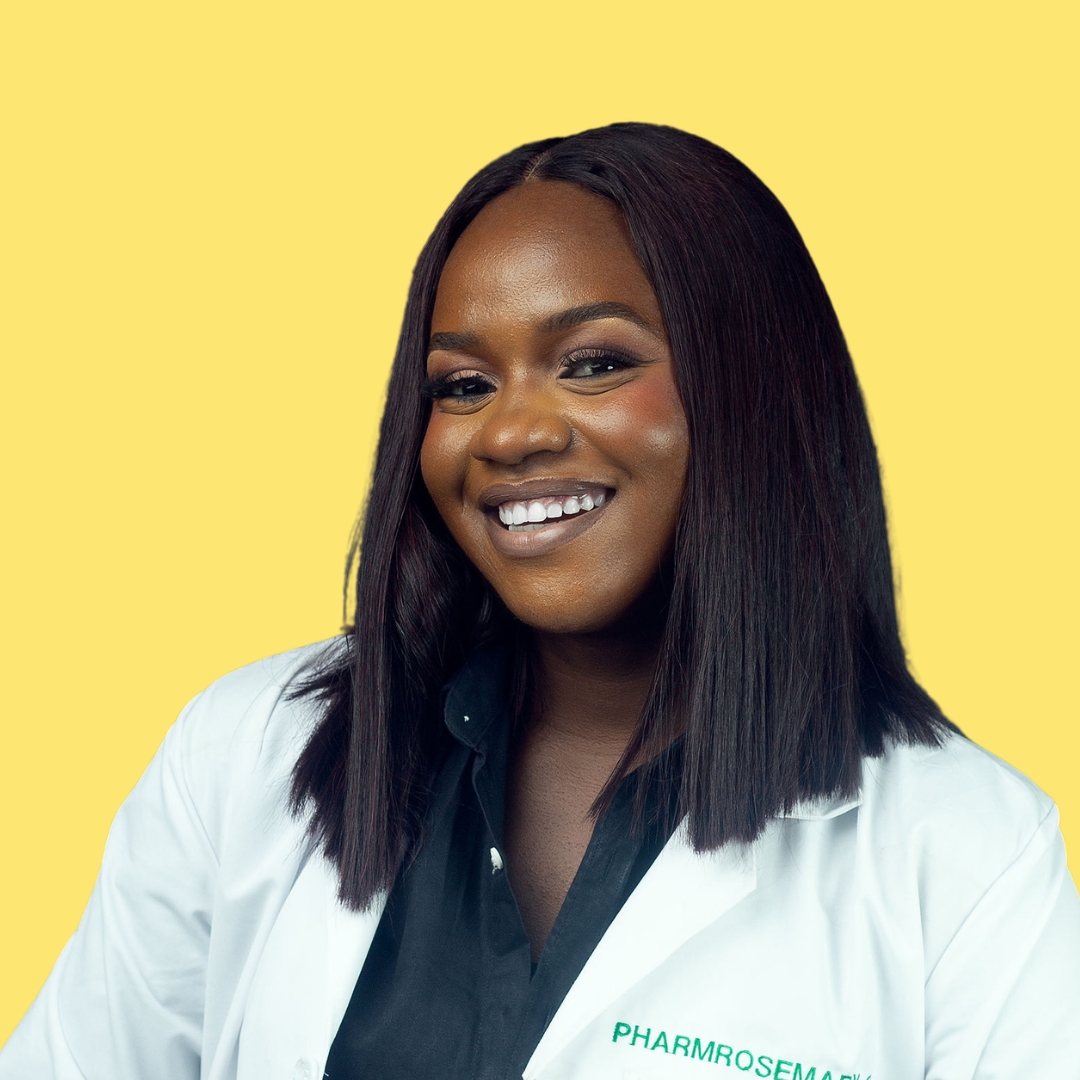
- The scratch code (Mobile Authentication Service). Pharmacist Rosemary recommends checking the scratch code on your medicine before you use it.
The number can differ between products, since NAFDAC works with several approved providers. If you get no reply, or the reply says the product is fake or can’t be verified, don’t use it, and report it to NAFDAC.
What to Do If You Encounter a Suspected Fake
To report suspected counterfeit products:
- Visit or contact the nearest NAFDAC office
- Call NAFDAC on 0800-162-3322
- Email sf.alert@nafdac.gov.ng
- Use the Med-Safety app, available on Android and iOS
To report adverse reactions or side effects from any NAFDAC-regulated product (healthcare providers and consumers alike):
- Contact the nearest NAFDAC office
- Use the e-reporting platforms on the NAFDAC website: www.nafdac.gov.ng
- Use the Med-Safety app
- Email pharmacovigilance@nafdac.gov.ng
For general complaints:
- Call the Reforms Unit on 09097630506 or 09097630507
- Email reforms@nafdac.gov.ng
Tips for a useful report:
- Note the product name, batch number, and manufacturing and expiry dates.
- Take clear photos of the packaging, including the label and any NAFDAC number.
- Note where and when you bought it, and the seller’s name or location.
- Keep the product and the receipt if you can, and stop using it.
- If you or someone else has had a reaction, seek medical help first, then report.
Why Your Report Matters
Every report is a data point. A single complaint can help NAFDAC trace a batch, find a distributor, or issue a public alert that protects thousands of other people. Staying quiet leaves the product on the shelf for the next buyer.
Fighting counterfeits isn’t only the regulator’s job. It’s a shared responsibility between NAFDAC, sellers, healthcare workers, and everyday buyers. Check before you buy, trust your instincts, and speak up when something isn’t right.
