

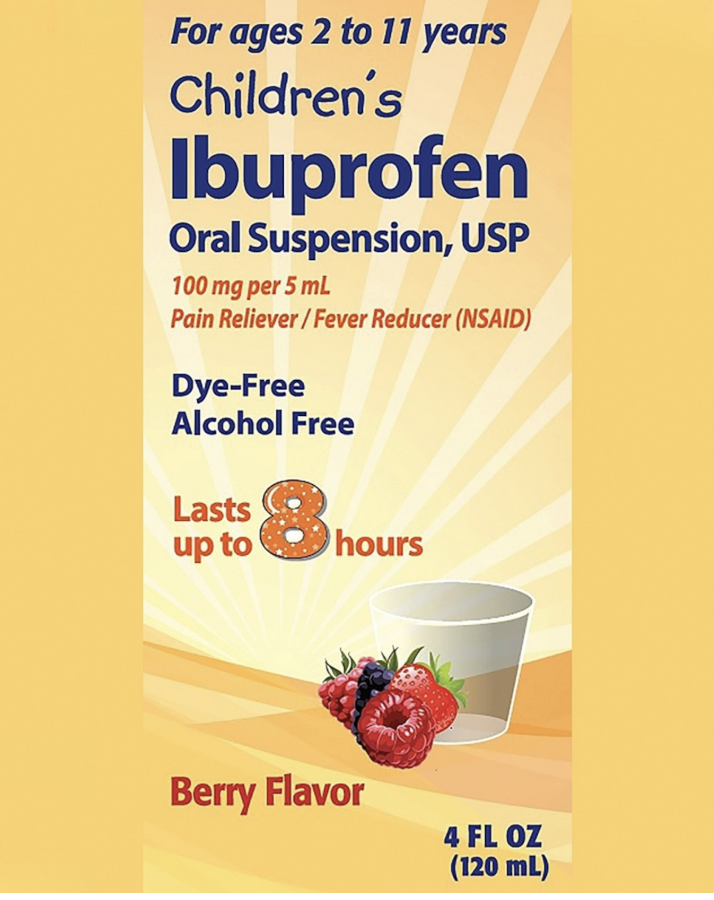
The National Agency for Food and Drug Administration and Control (NAFDAC) has issued a public alert following the recall of nearly 90,000 bottles of Children’s Ibuprofen Oral Suspension in the United States. The recall was initiated after reports that some bottles contained foreign materials, including a gel-like substance and black particles. Although the affected product was distributed in the United States, NAFDAC says the alert is important to help prevent the medicine from entering Nigeria through unauthorized channels and to raise awareness about medicine safety.
What Happened?
NAFDAC announced that it had received notification of a recall involving Children’s Ibuprofen Oral Suspension, USP (100 mg/5 mL), in the United States. The recall was initiated by Strides Pharma Inc. after consumer complaints about foreign materials found in some bottles of the medicine.
According to reports, affected bottles contained a gel-like mass and black particles. The recall affects approximately 89,592 bottles from two specific batches: 7261973A and 7261974A, both with an expiry date of January 31, 2027. The product was distributed nationwide in the United States and is commonly used to relieve pain and reduce fever in children.
Why It Matters To Your Health
Ibuprofen is one of the most commonly used medicines for relieving pain, inflammation, and fever in children. Parents and caregivers often rely on it to manage symptoms associated with colds, flu, sore throats, headaches, and toothaches.
When foreign materials contaminate a medicine, there are concerns about the product’s quality, safety, and effectiveness. Depending on the nature of the contaminant, children who consume the affected medicine could experience adverse reactions or gastrointestinal discomfort. There may also be a choking risk if larger particles are present.
Although the recalled batches were distributed in the United States, medicine recalls can be relevant globally. Products sometimes find their way into other countries through unauthorized importation, informal supply chains, or online purchases. This is why NAFDAC routinely shares international safety alerts to help protect Nigerians from potentially unsafe medicines.
What You Can Do
Parents and caregivers can take several steps to protect their children:
- Buy medicines only from licensed pharmacies and reputable healthcare providers.
- Avoid purchasing medicines from unverified online sellers or informal markets.
- Check medicine packaging carefully for signs of tampering or damage.
- Follow NAFDAC alerts and safety updates regarding medicines and healthcare products.
- Consult a pharmacist or doctor if you have concerns about the quality or safety of any medication.
- Seek medical attention if a child experiences unusual symptoms after taking a medicine suspected to be contaminated.
Staying informed and purchasing medicines through trusted channels can significantly reduce the risk of exposure to substandard or contaminated products.
Understanding The Issue
Medicine recalls are an important part of global drug safety monitoring. They occur when manufacturers or regulatory agencies identify issues that could affect the quality, safety, or effectiveness of a product.
In this case, the recall was triggered by reports of foreign materials found in Children’s Ibuprofen Oral Suspension. While investigations continue, the presence of unexpected particles in a medicine raises concerns because patients may unknowingly ingest substances that should not be present in the product.
Ibuprofen belongs to a class of medicines known as nonsteroidal anti-inflammatory drugs (NSAIDs). It is widely used to reduce pain, fever, and inflammation in both children and adults. When manufactured correctly, ibuprofen has a well-established safety profile when used according to dosing instructions.
The concern in this recall is not the ibuprofen itself but the reported contamination. Foreign materials can compromise a medicine’s quality and may increase the risk of adverse effects, particularly in young children who are more vulnerable to swallowing difficulties and gastrointestinal reactions.
This incident also highlights the importance of strong regulatory oversight. Agencies such as NAFDAC, the U.S. Food and Drug Administration (FDA), and other health regulators work together to identify potential safety issues and communicate risks to the public as quickly as possible.
For Nigerian consumers, the key takeaway is to remain vigilant about where medicines are purchased. Obtaining medicines from licensed pharmacies helps ensure that products have been sourced through approved supply chains and are less likely to be counterfeit, substandard, or recalled products.
When To Speak With A Healthcare Professional
Speak with a pharmacist or doctor if:
- You are concerned about the quality or safety of a medicine you have purchased.
- Your child develops unusual symptoms after taking a medication.
- You are unsure whether a medicine is authentic or approved for use.
- You need guidance on safe and appropriate fever or pain relief options for your child.
Seek immediate medical attention if a child experiences severe reactions, difficulty breathing, persistent vomiting, choking symptoms, or any sudden deterioration in health after taking medication.
Join The Me & You Pharma Community
Stay informed with trusted medication updates, health news, pharmacist-backed advice, and practical wellness tips. Join the Me & You Pharma community to access reliable health information, learn about important medicine safety alerts, and stay up to date on healthcare developments that may affect you and your family.
Medical Disclaimer
This content is provided for educational purposes only and is not intended to replace professional medical advice, diagnosis, or treatment. Always consult a qualified healthcare professional before starting, stopping, or changing any medication or treatment plan.
